
This is the world
we are resetting to.
Something went wrong with technology. Gradually. So gradually that most people adapted without realising they were adapting to something broken. These are seven stories about what we are building — and who we are building it for.
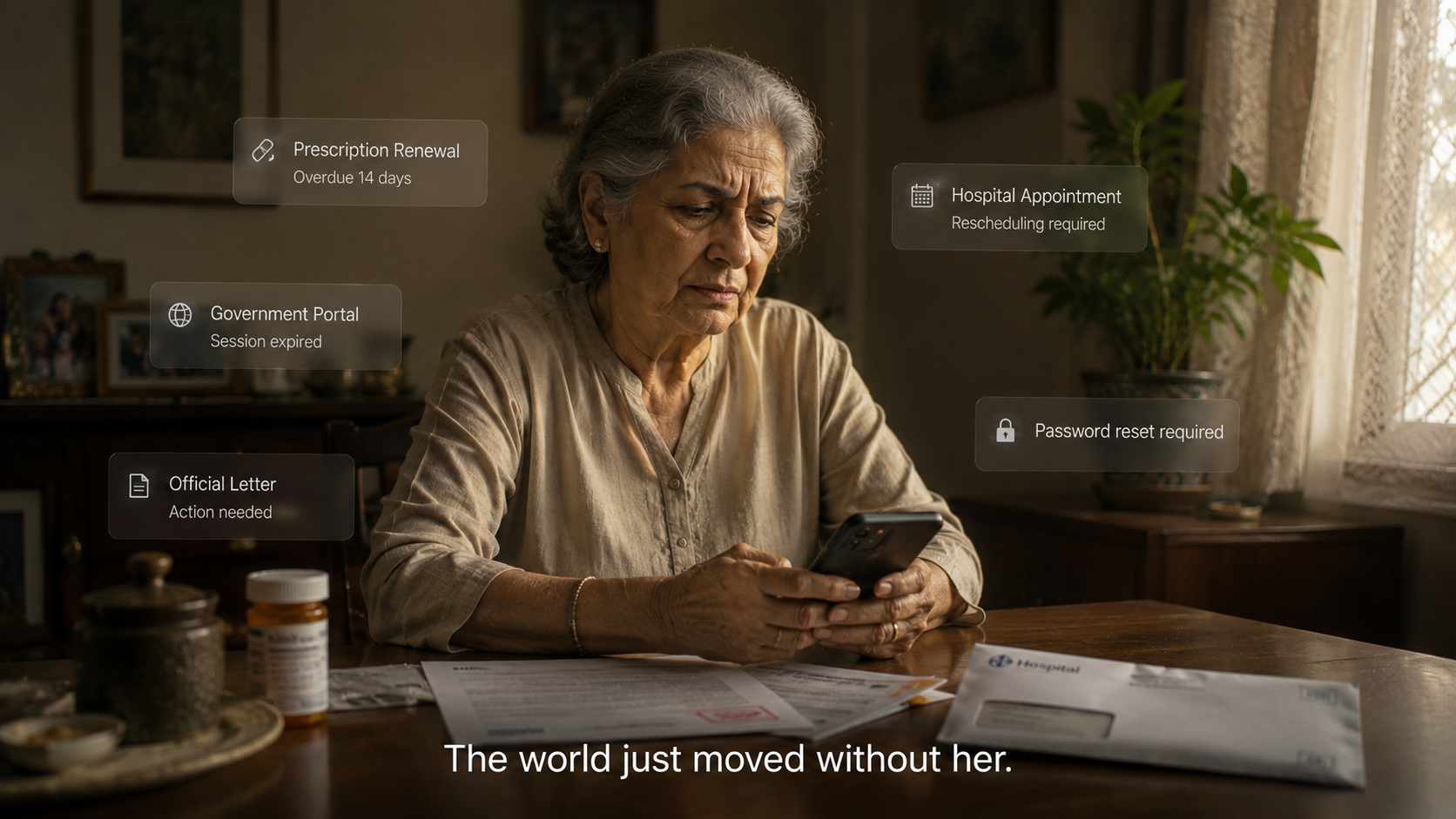
She is 74. Lives alone in an apartment — Istanbul, Nairobi, Osaka, São Paulo, it doesn't matter. What nobody sees: the prescription she let lapse because the new pharmacy portal defeated her. The government letter sitting on the table for three weeks. The hospital appointment she didn't reschedule because the booking system updated again and she couldn't find the right button.
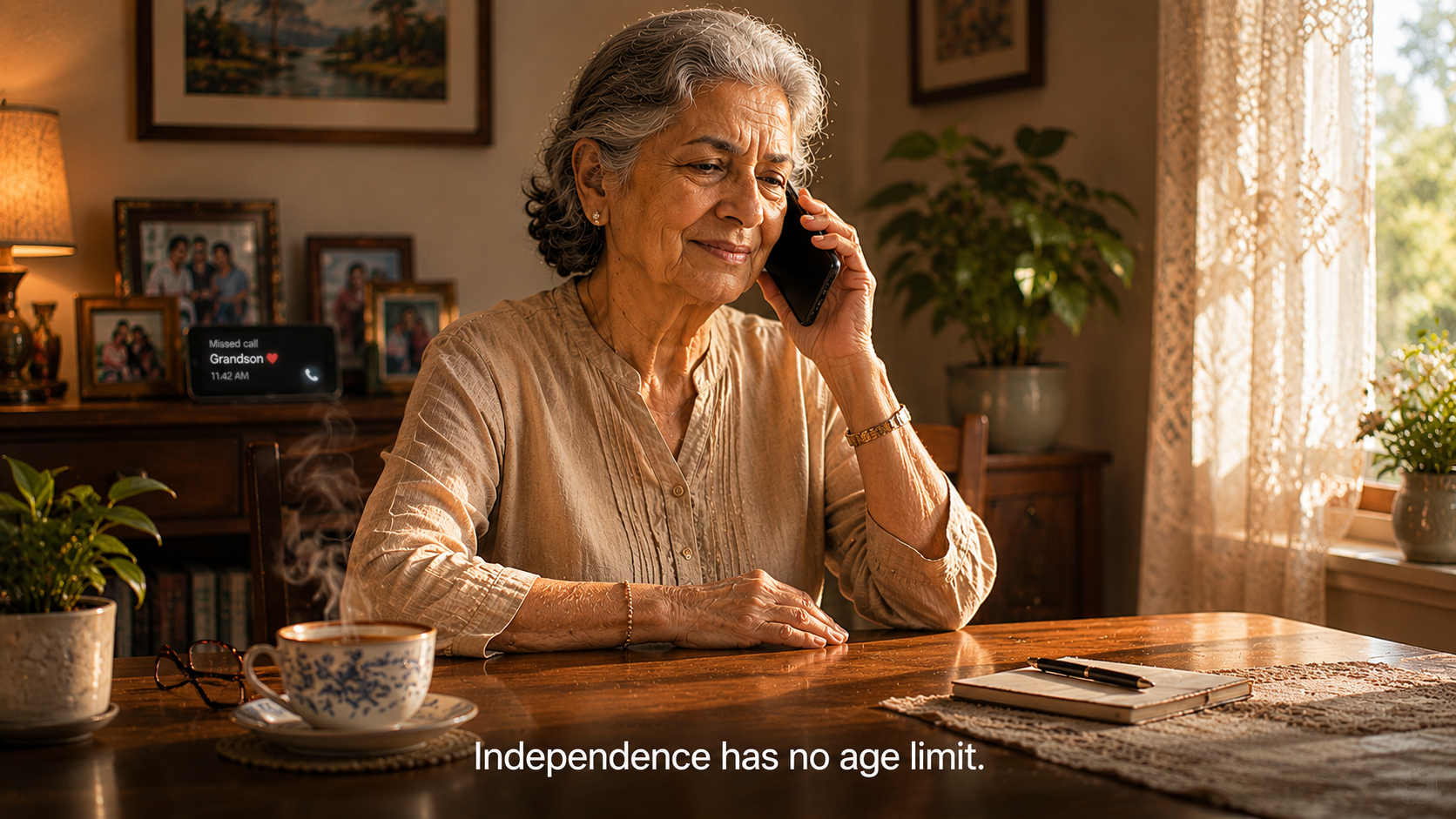
She picks up her phone. Speaks to MeyAI. In her language. Her words. No portal. No form. No login she has to remember.
Later, when her grandson visits expecting to help — the way he always does, the way she has come to dread needing — she tells him: "Already done." She makes him tea instead. She asks about his life for once, instead of apologising for needing his help with hers.

Dignity restored. No portal. No form. Just done.
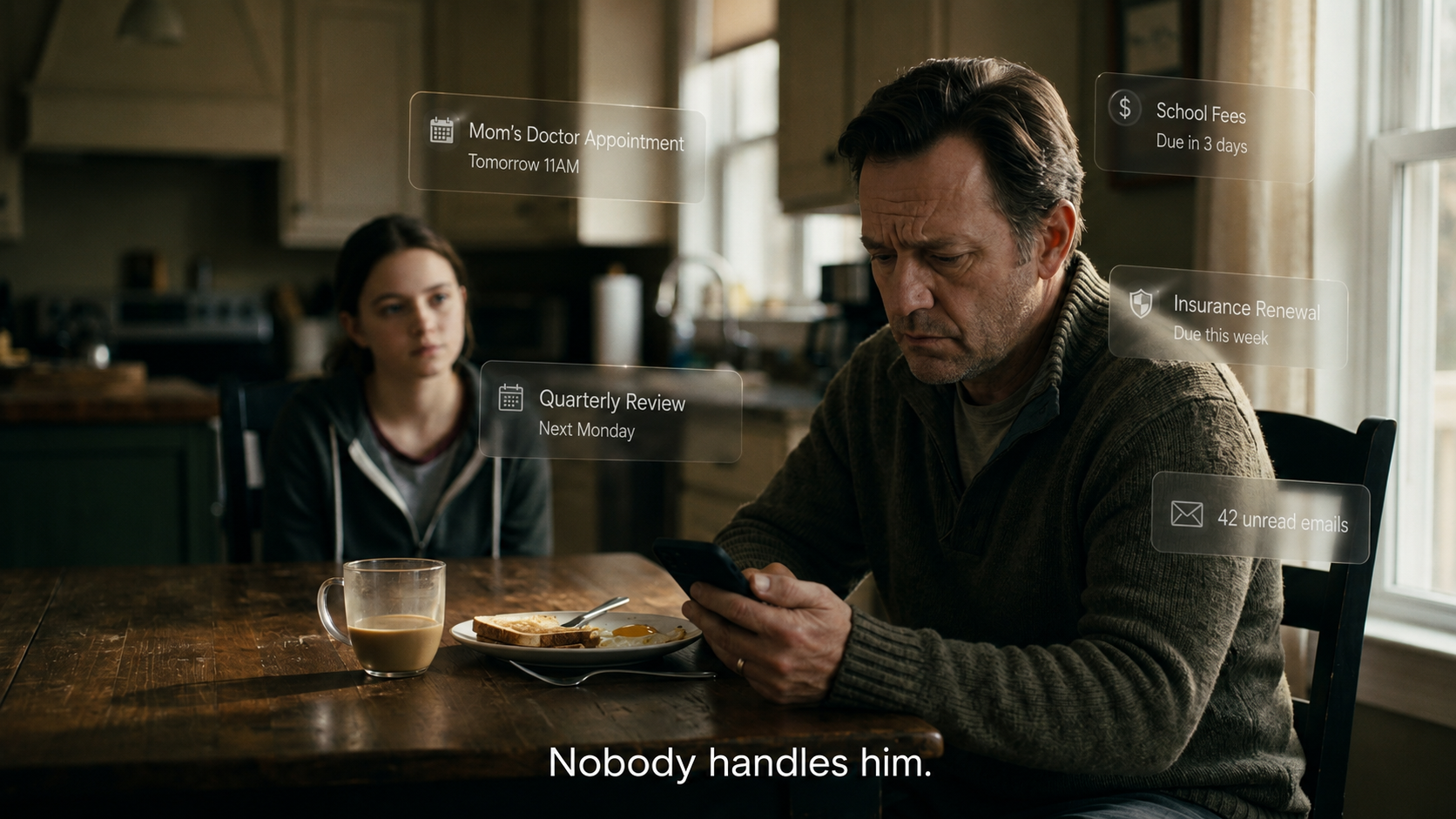
He is 49. He is the person everyone depends on. His team at work. His children at home. His ageing mother in another city. This morning he ate breakfast while answering emails. His daughter said something across the table. He didn't hear it. He asked her to repeat it. She didn't. He is not failing. He is exhausted from not failing.
He opens MeyAI. Says, simply: "Take care of everything due this week."
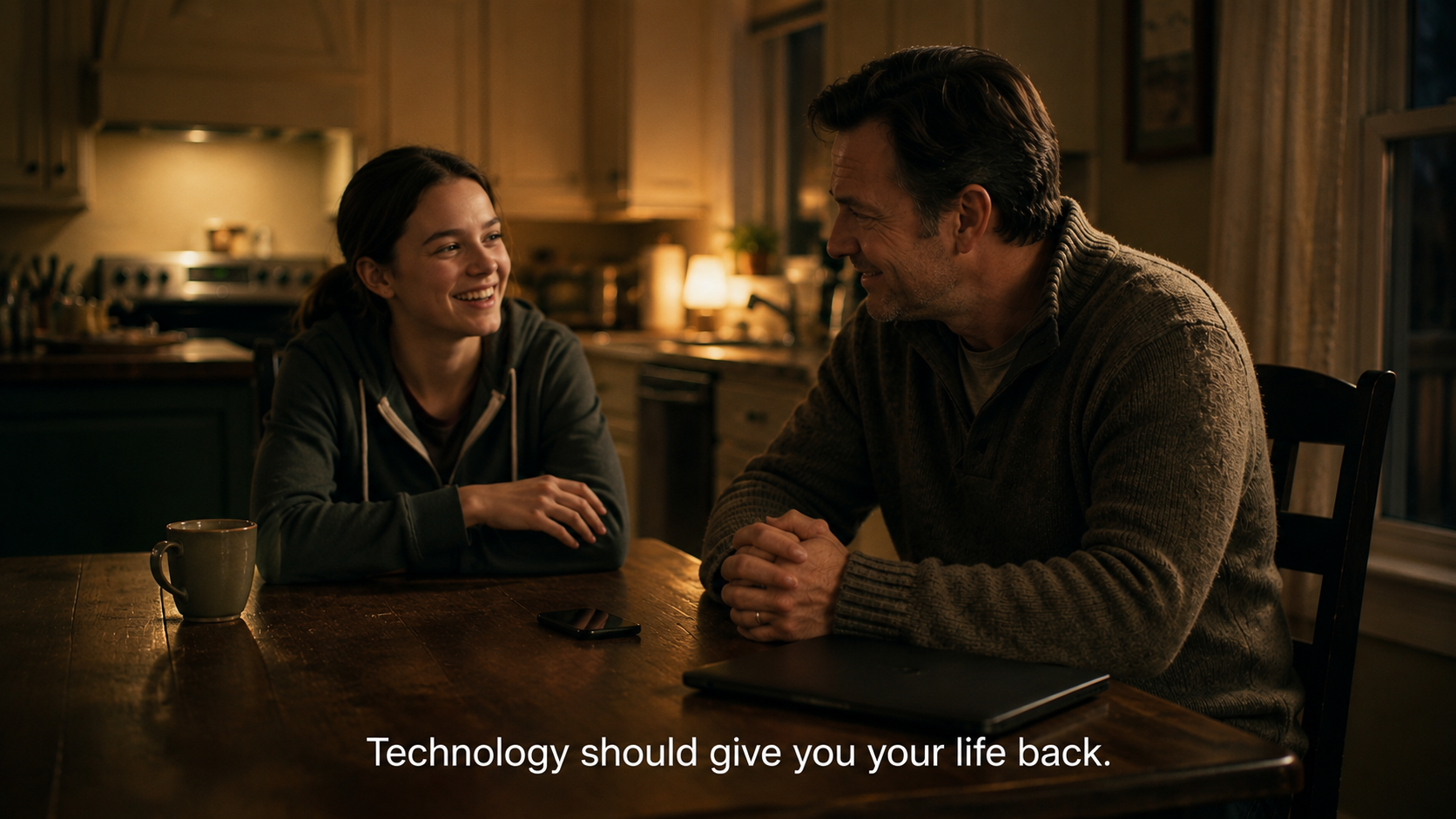
That evening he sits at the table with his family. Phone face down. No mental list running. Actually there — in the room, in the moment, in his own life. His daughter looks up. "You're not working?" He smiles. "No." She smiles back.
The list is handled. The evening belongs to him.
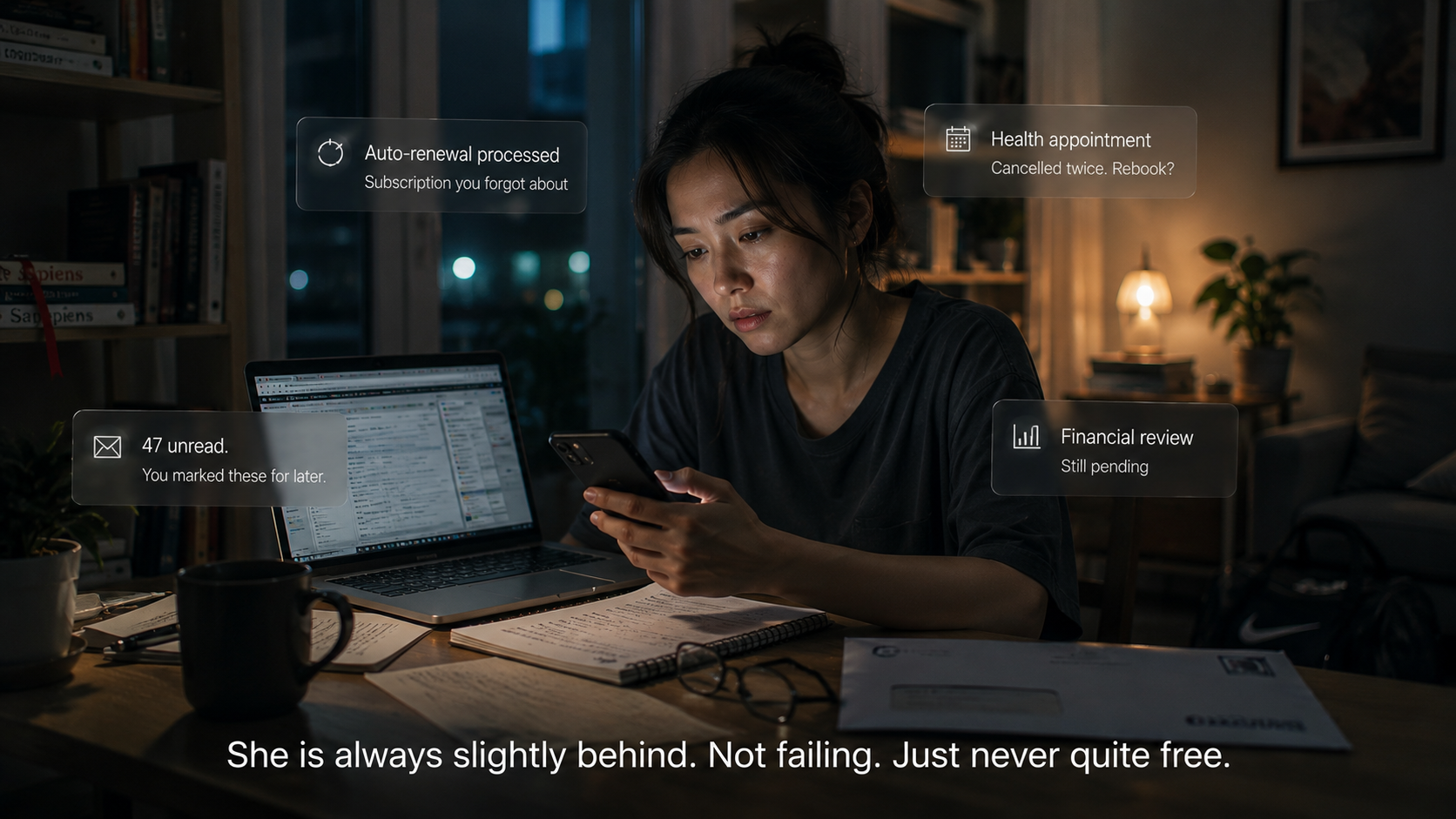
She is 37. She did everything right. The degree. The career. The apartment. The side project she has been meaning to finish for two years. What exhausts her most isn't the big things. It's the thousand small frictions that stack invisibly — the subscription she keeps auto-renewing, the health appointment cancelled twice and never rebooked, the financial plan she knows she needs but hasn't sat down to build.
She opens MeyAI. Not with a list. Just with a thought. Three things get done that have been waiting for months. Not dramatic things. Just things that were quietly taking up space in her mind, now removed.
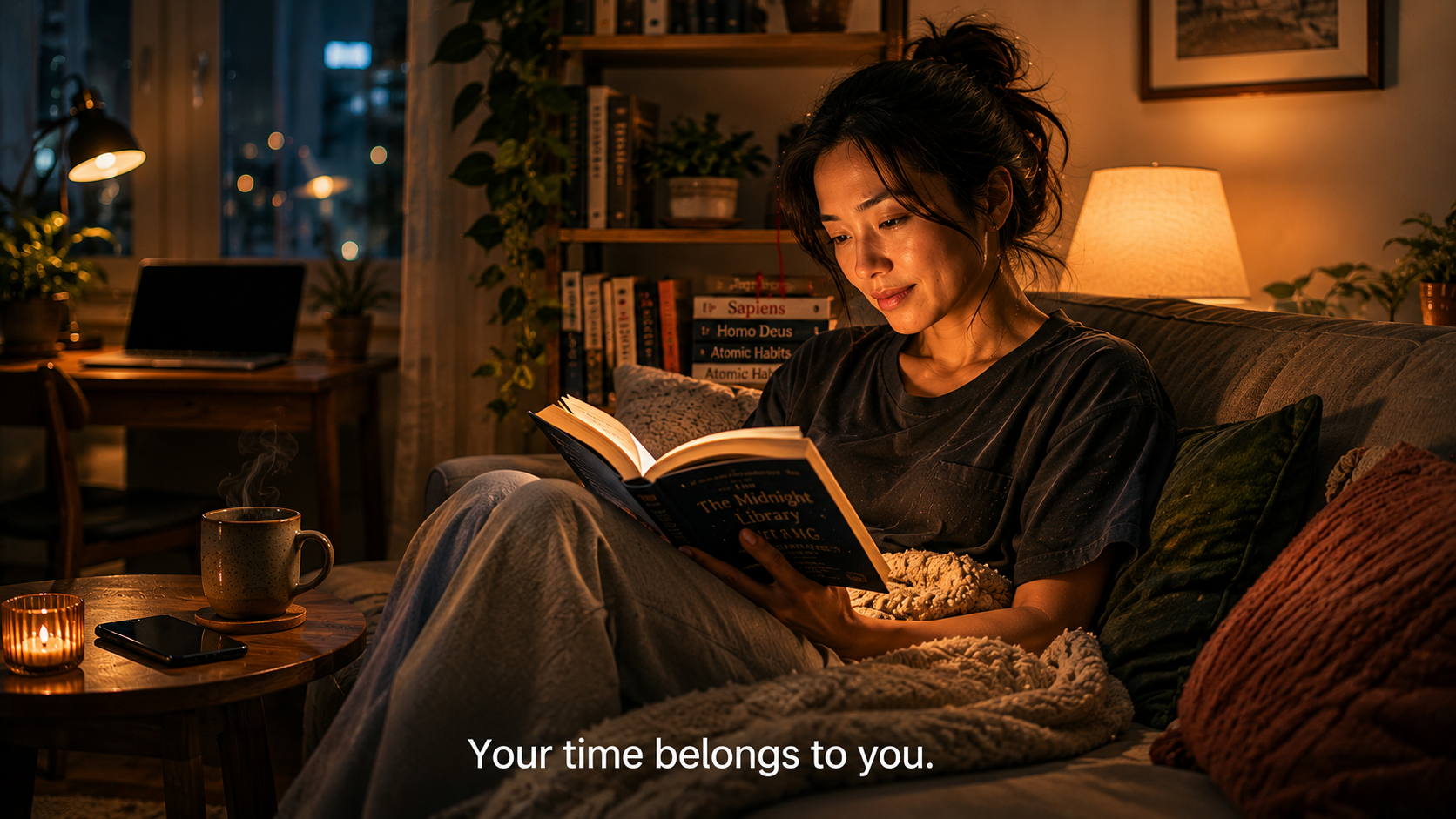
That evening she opens the book she bought eight months ago. She reads four chapters. She doesn't check her phone once. She falls asleep before midnight. That is not a small thing.
The friction is cleared. The evening is hers.
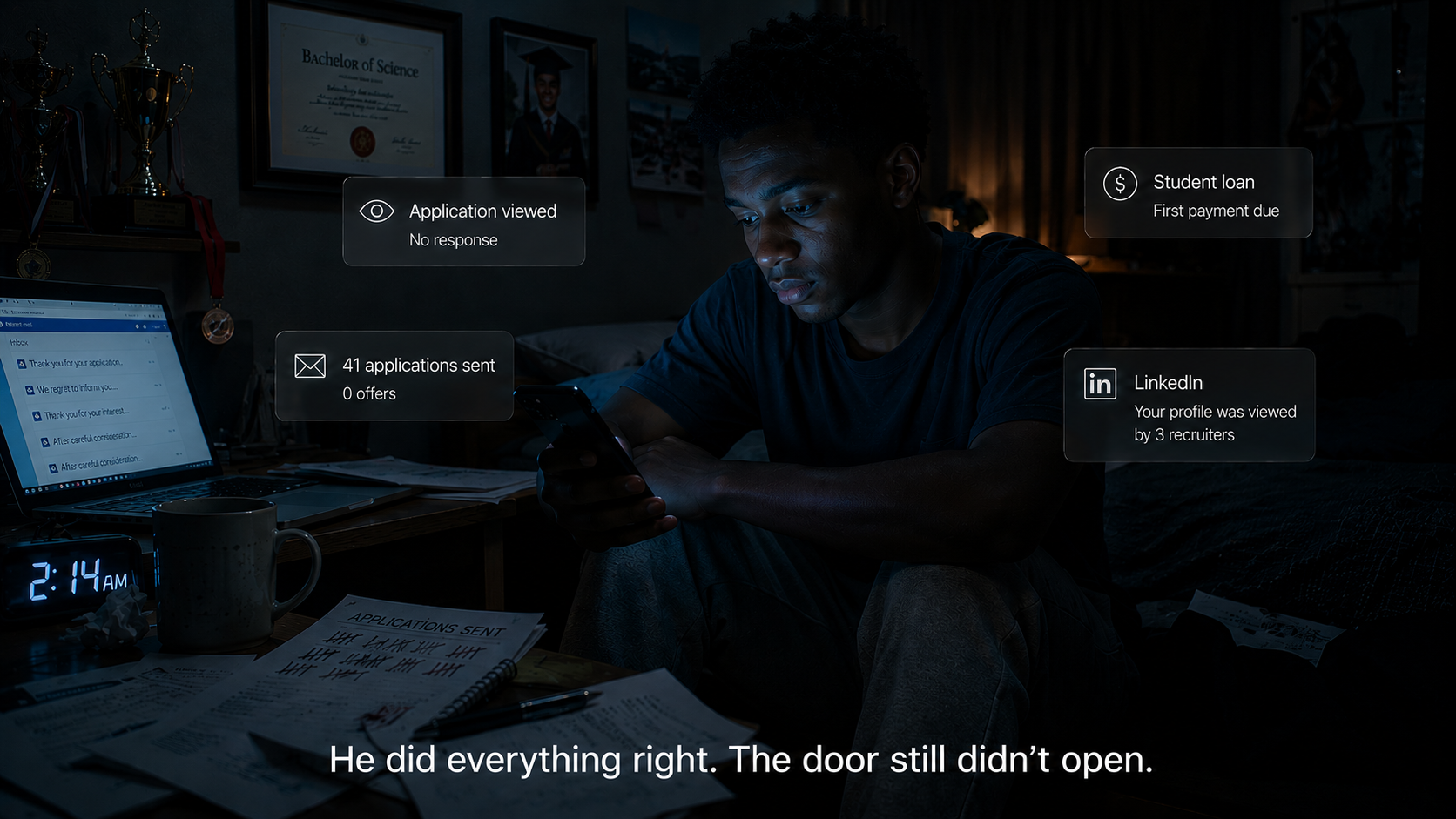
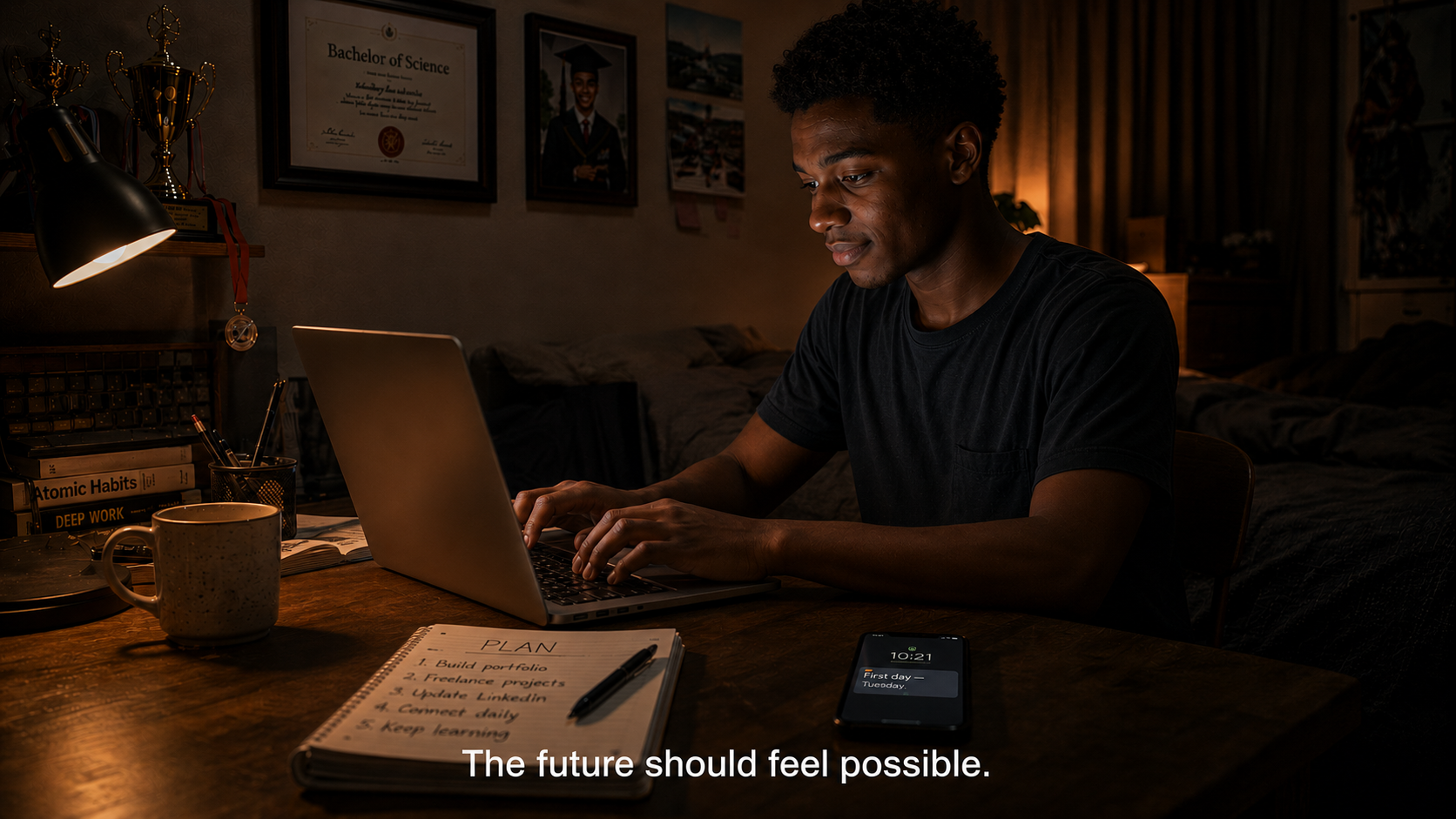
He walked across that stage with everything he was supposed to have. Four years. The degree. The debt. The photograph his parents framed before he even got home. He had applied to forty-one companies. He scrolls at 2am and feels the specific loneliness of a person who did everything right and still arrived nowhere.
He finds MeyAI. He types honestly for the first time in months. MeyAI doesn't give him a list. It asks three questions. He answers — slowly at first, then more honestly than he has been with anyone.
MeyAI finds him a part-time content role. Real. Paying. Starting next week. It maps three pathways forward. Six months later, the part-time role became a full-time offer. "There was this thing," he tells a friend. "It actually listened."
A door opens. Just slightly. Just enough.
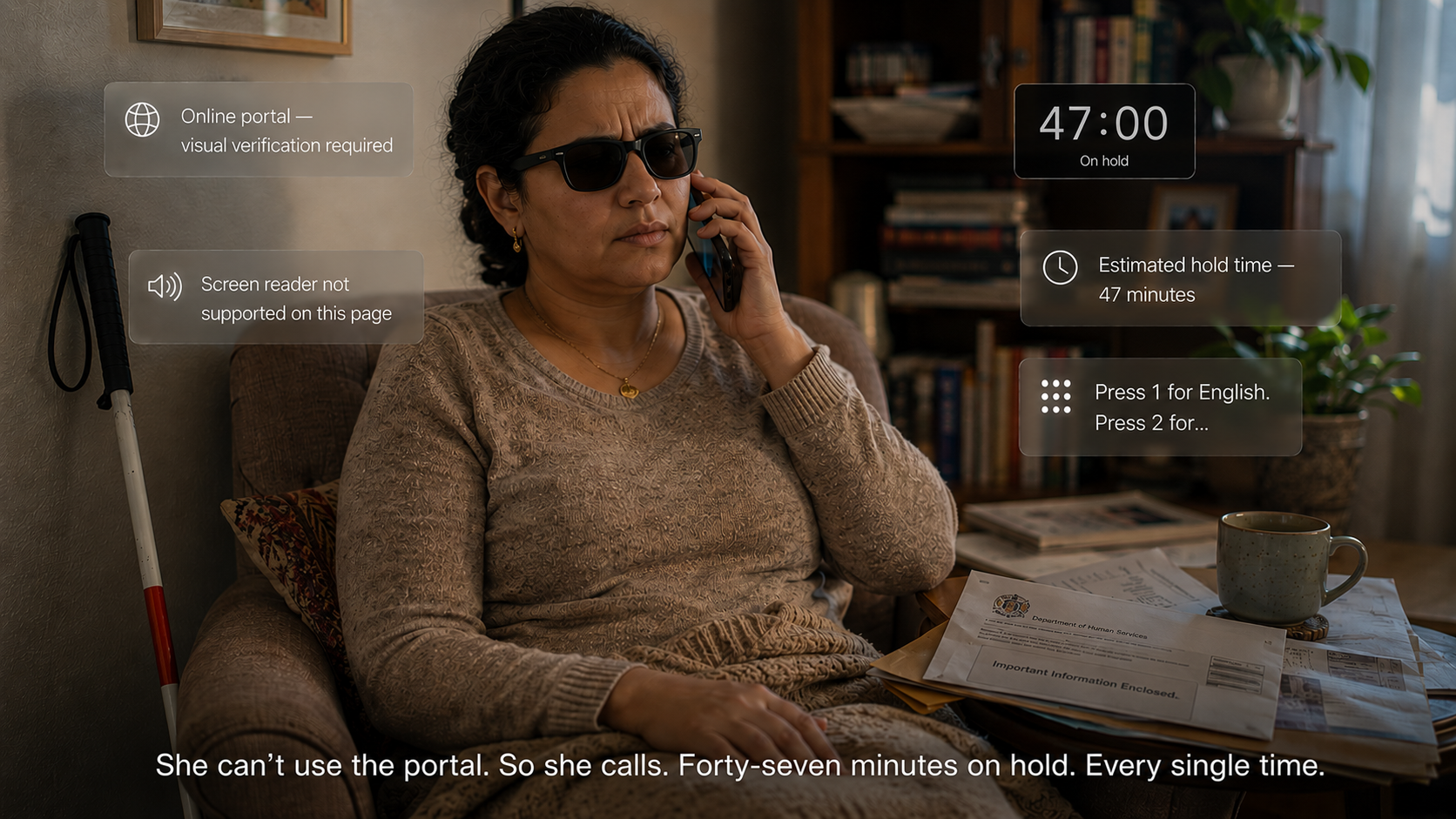
She navigates a world that was designed without her in mind. Every task that takes someone else thirty seconds takes her longer. Takes more effort. The online portal requires visual verification. The screen reader fails. The only option is to call. She has been on hold for 47 minutes. This is every time.
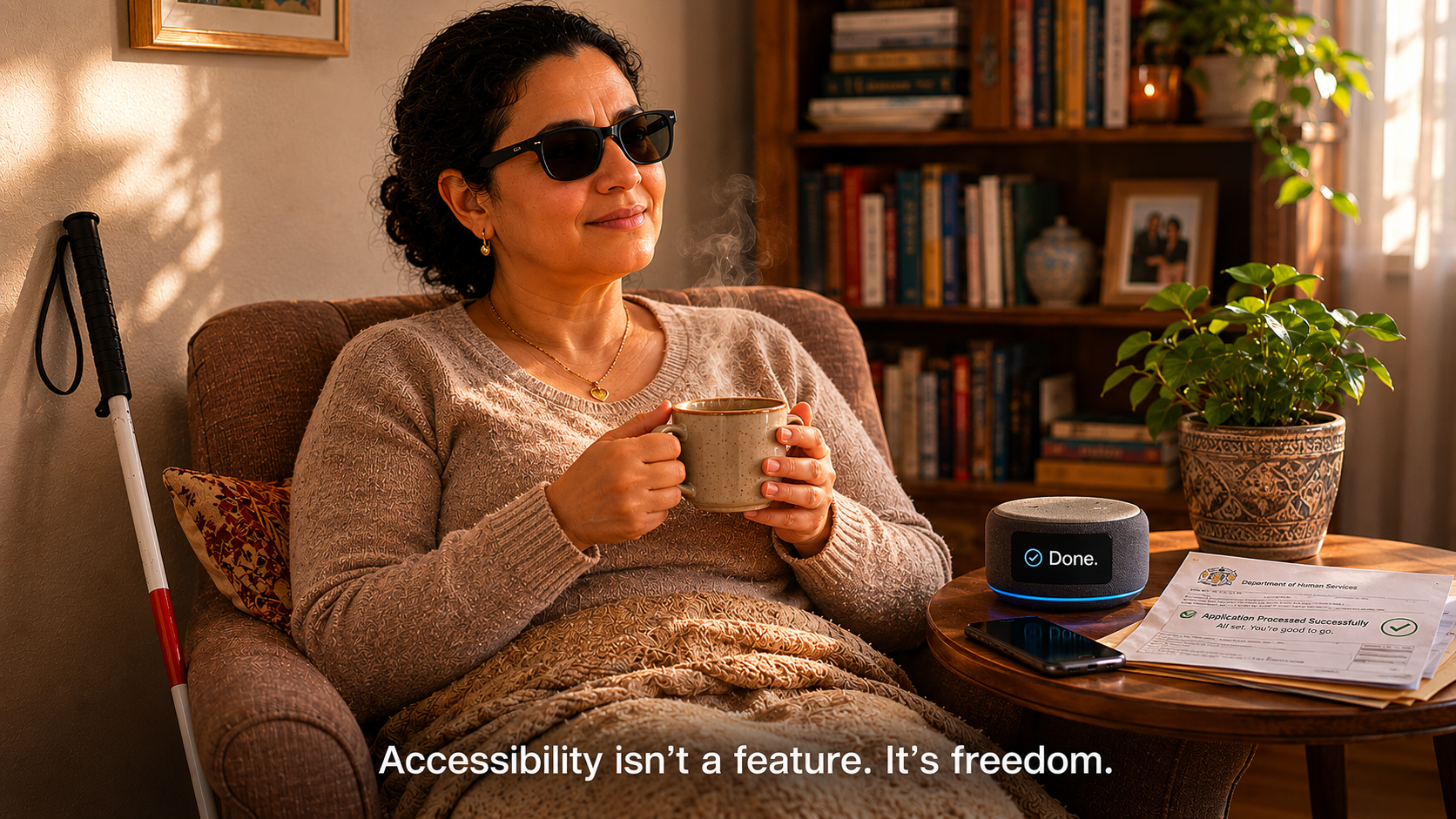
She speaks to MeyAI. MeyAI goes into the portal itself — she never has to touch it. The task is done. No hold music. No CAPTCHA. No explaining herself to a stranger.
No special mode. No accessibility menu buried four levels deep. The same MeyAI. The same capability. The same result. Just done. The same as everyone else.
The barrier is gone. She never had to touch it.
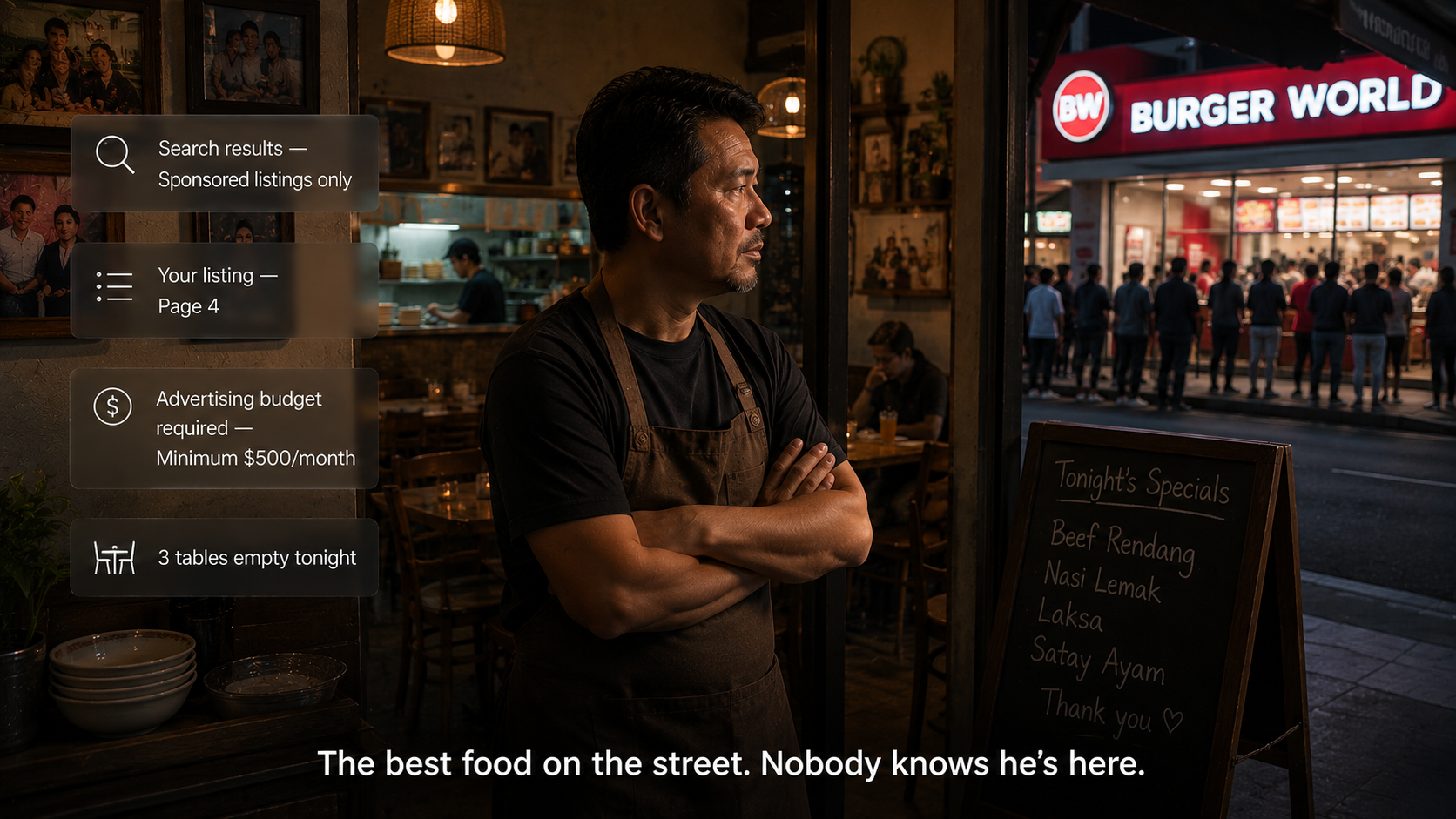
He runs a small restaurant. Three tables. His grandmother's recipes, the ones she brought from a village that doesn't exist anymore, carried in her memory and passed to his hands. The chain two streets away spends more on advertising every month than he earns in three. It appears first in every search. It wins not because it is better. Because it can afford to keep winning.
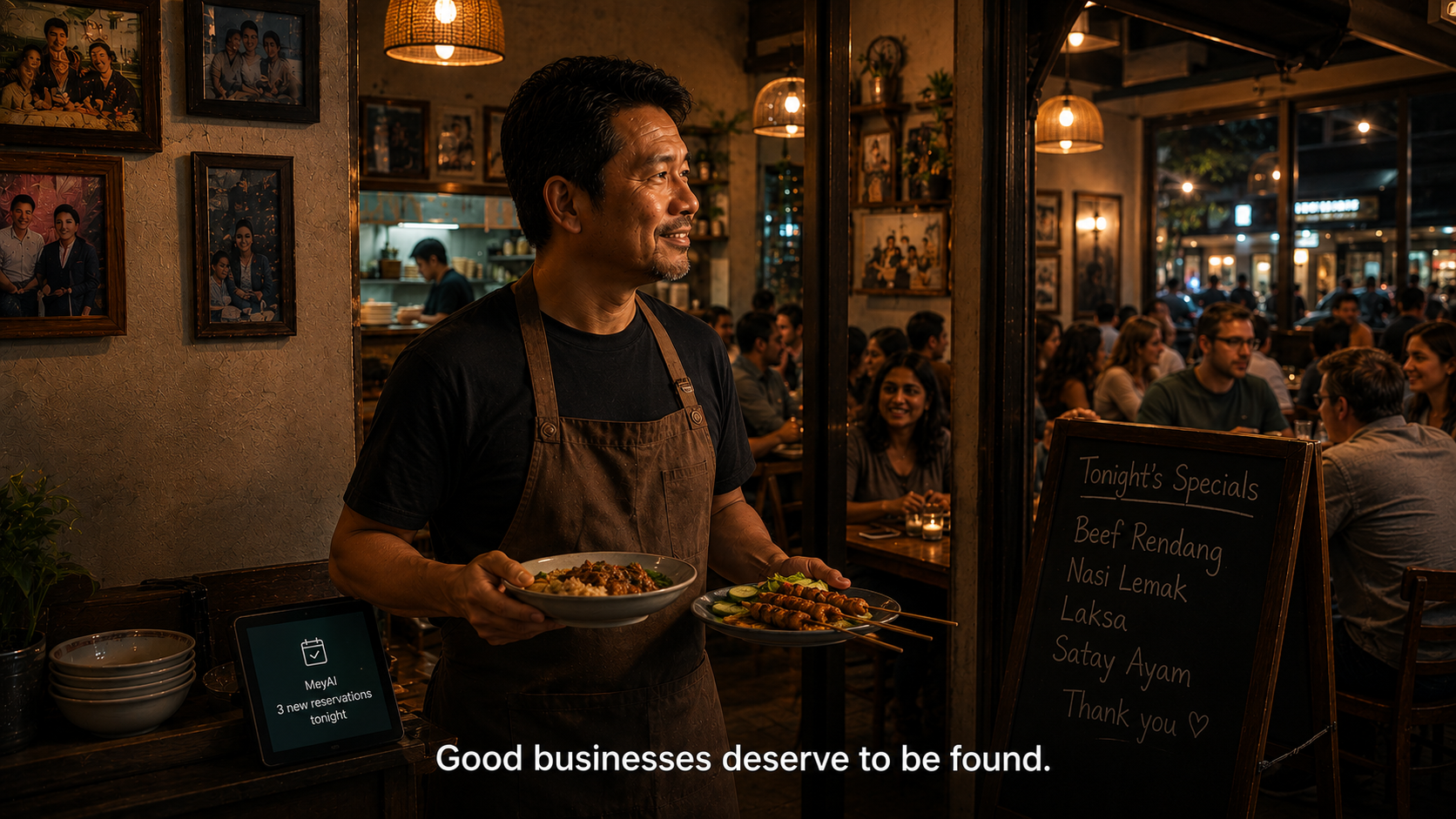
A customer nearby opens MeyAI. "Find me somewhere genuinely good to eat. Not a chain. Something local." MeyAI doesn't run an auction. It doesn't rank by advertising budget. It finds the best match for what the person actually asked. The customer walks through his door.
Later, washing up after closing, he thinks about his grandmother. How she used to say that good food always finds its people eventually. She just didn't know it would need a little help.
Quality finds its people. No auction required.
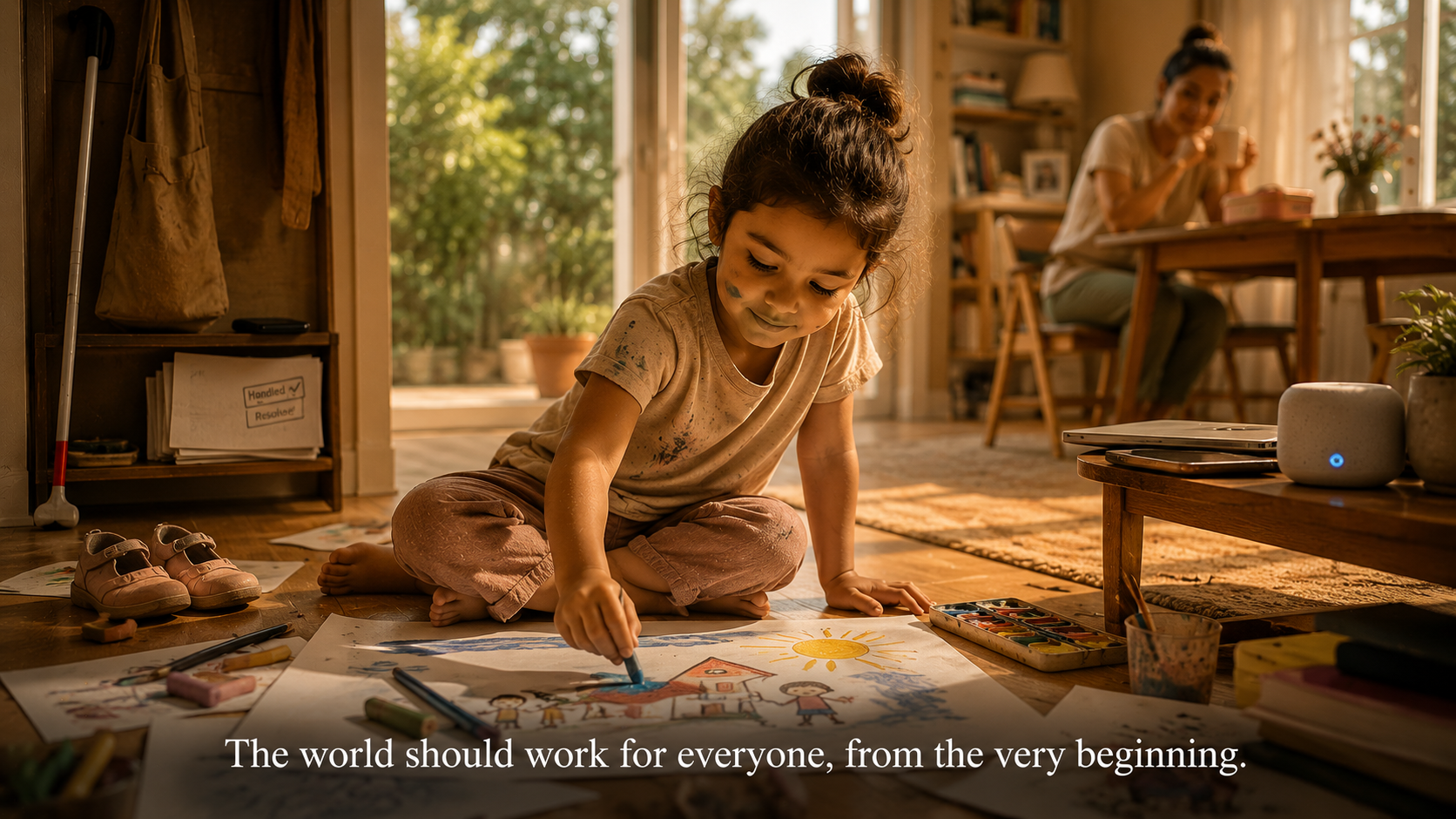
She is seven years old. She will never know what a portal is. She will never reset a password. She will never open six apps to complete one task. She will never sit in a government office waiting room because the online system was too confusing to navigate. She will never know what it felt like to be a digital administrator of her own life.
She will grow up assuming that technology is patient. That it speaks her language. That it was built for her — because it was. Because someone, a long time before she was born, decided that it should be.
She will not know this story. She will not know that there was a time when her grandmother had to call her son to pay an electricity bill. She will just live. Fully. In the world as it should be. That is what The Reset is for. Not for us — though we will feel it too. For her.
The Reset —
Complete.
This is the world we are building toward.

Come build it
with us.
MeyAI is still being built — carefully, deliberately, and without compromise. Join the waitlist and be among the first when we open the doors.
Read the founder's vision at meyyaxone.com →